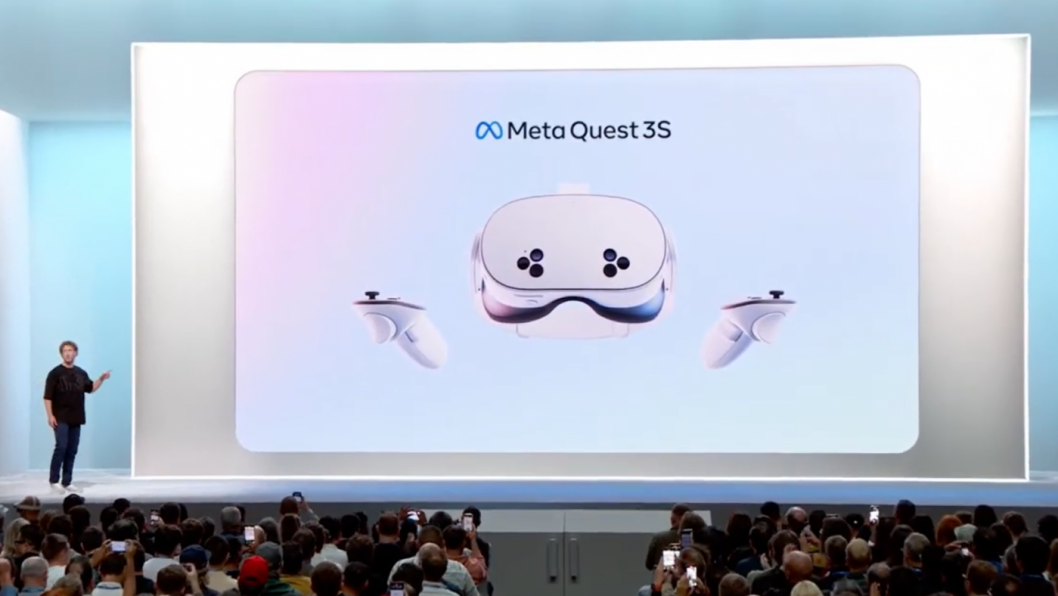
Empowering mobile designers and builders to define the future of mixed reality using the native tools they already master

Unlocked spatial computing for 6 million Android developers via native tools
Unified design and engineering with a seamless Figma-to-Kotlin workflow
Accelerated app deployment by removing the 3D game engine requirement
Background
For years, the threshold for entering the mixed reality space was prohibitively high. While game engines like Unity and Unreal have long been the standard for mixed reality creation, they represent a significant barrier to entry for the world’s largest pool of application builders: mobile developers.
This technical divide effectively sidelined millions of talented designers and developers, preventing them from bringing their existing applications and new ideas into the spatial computing era.
The Challenge
Democratizing XR for Mobile Product Teams
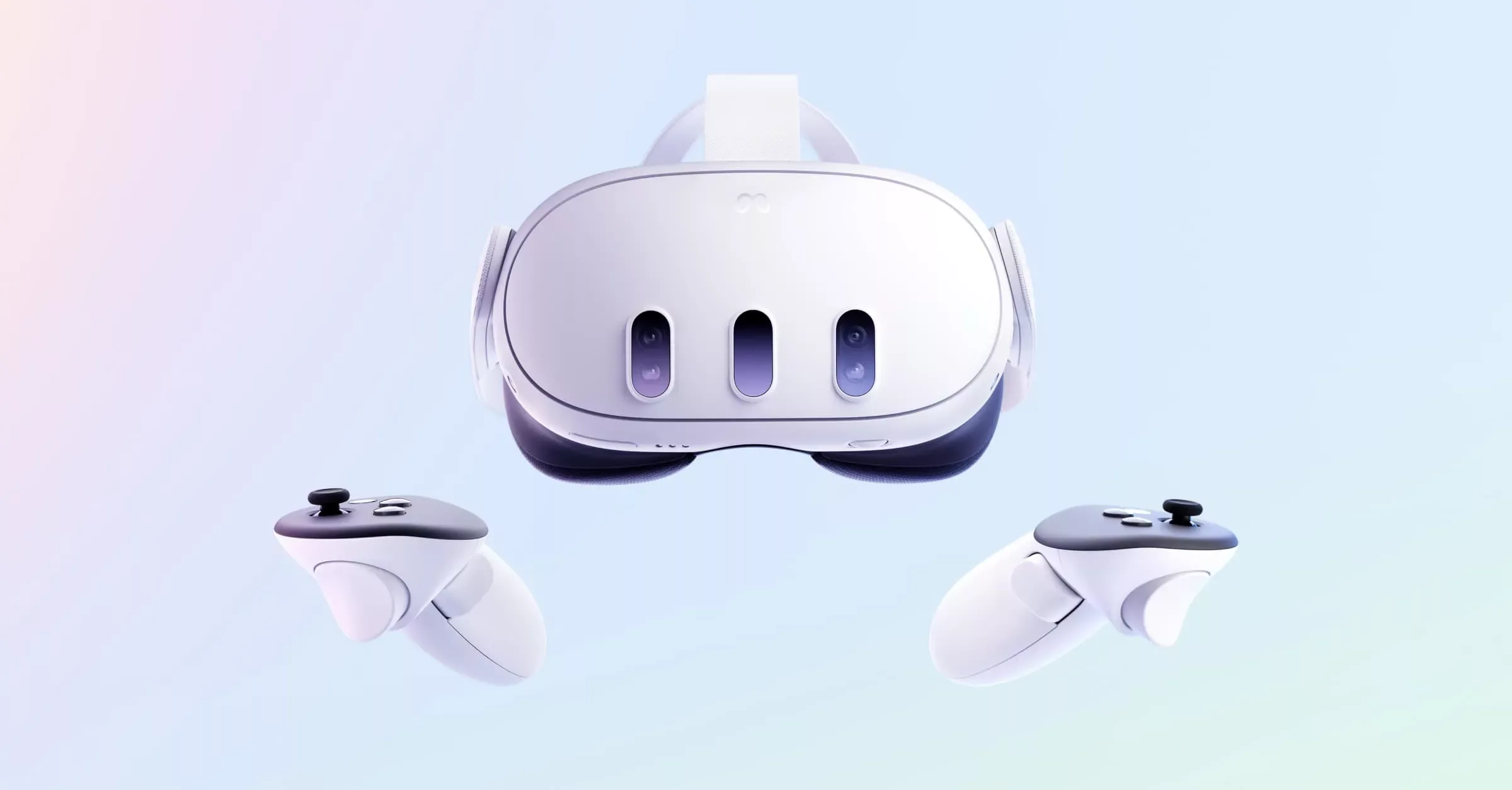
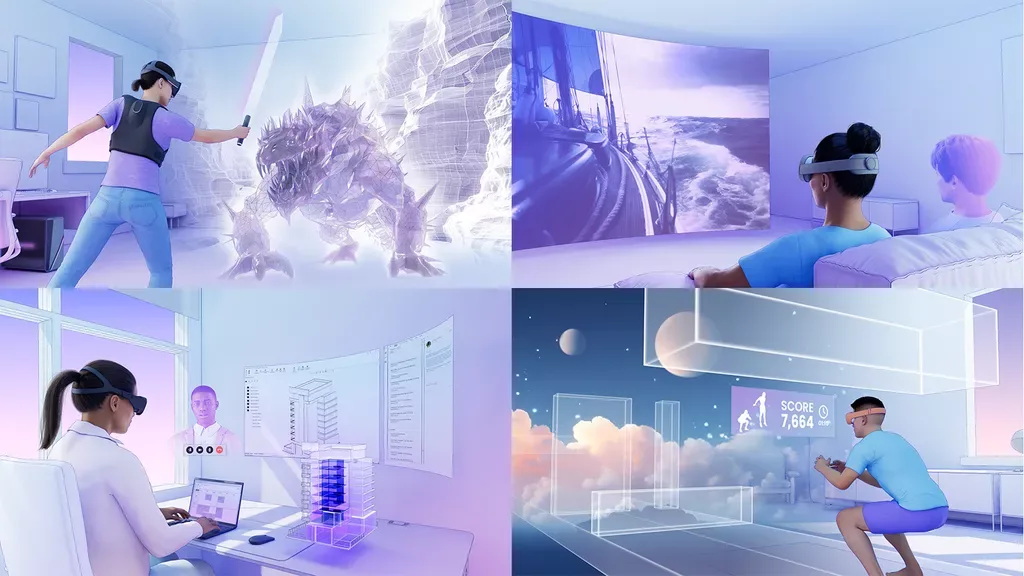
Meta recognized that to scale the Horizon OS ecosystem, they needed to unlock the potential of the global mobile development community. The objective was not just to help developers port code, but to create a unified workflow that empowered entire product teams—designers and builders alike—to collaborate seamlessly.
Meta called on L+R to define a solution that would allow these professionals to expand their current mobile applications into immersive spaces or build entirely new spatial concepts without abandoning their native languages and design paradigms.

The Solution
Meta Spatial SDK UI Set
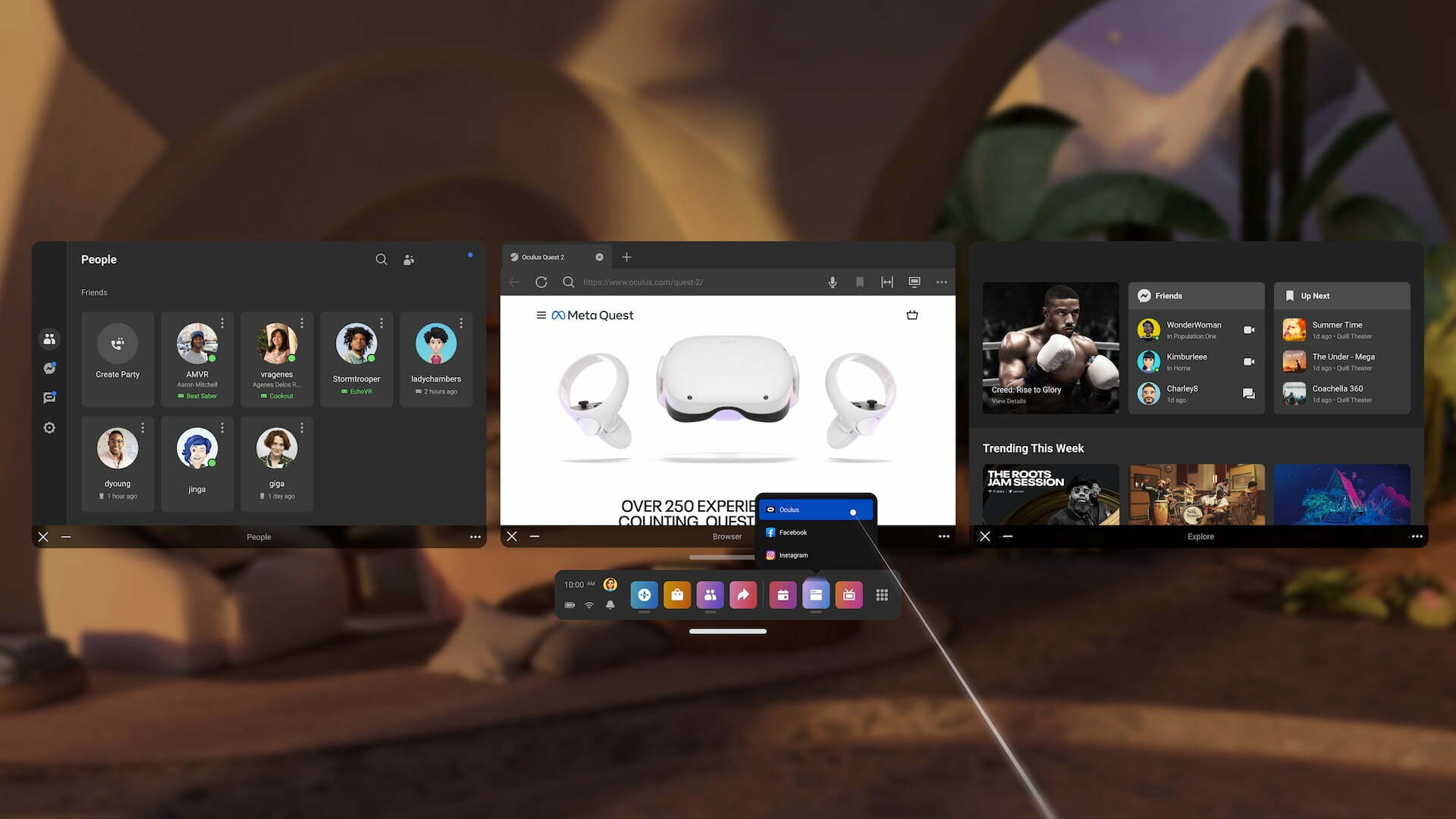
The breakthrough came in the form of the Meta Spatial SDK UI Set, a comprehensive toolkit designed to bridge the gap between 2D mobile design and 3D spatial environments.
For Builders
Kotlin-First Framework
The SDK allows developers to write spatial applications using Kotlin and standard Android Studio tools. This eliminates the need for game engines, enabling teams to leverage their existing codebases and skills to deploy high-quality immersive apps.

For Designers
Figma Component Library
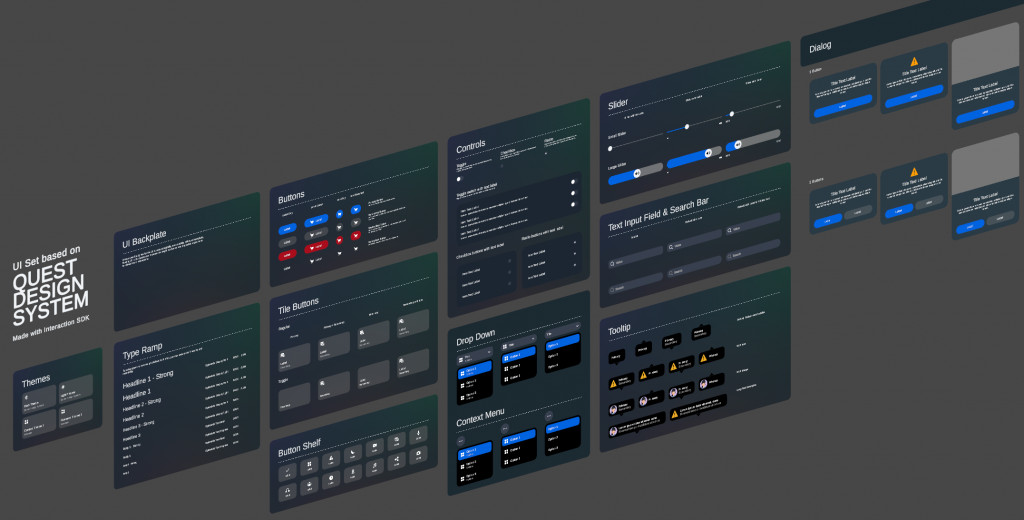
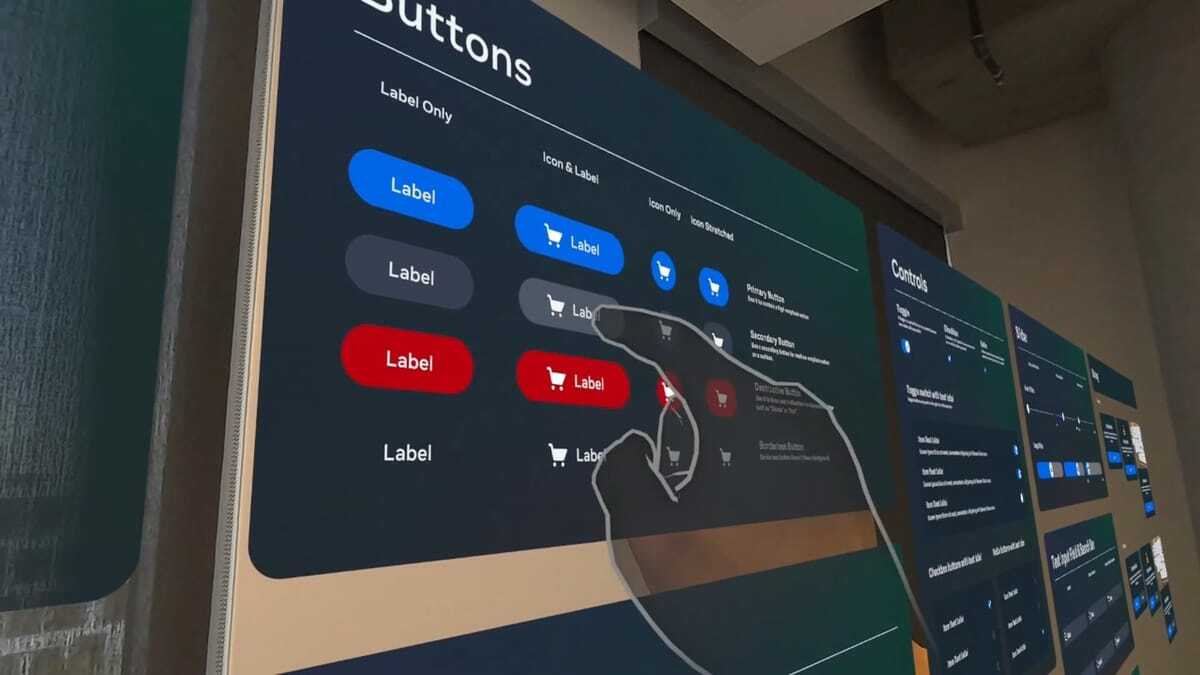
We helped develop a robust Figma library that mirrors the SDK’s capabilities, enabling UI/UX designers to prototype spatial interfaces using familiar components and workflows. This allows design teams to visualize volumetric experiences without needing to learn 3D modeling software.
Unified Workflow
By aligning the Figma components directly with the Kotlin codebase, the UI Set ensures that what designers create can be accurately and efficiently implemented by developers, streamlining the handoff process and accelerating iteration cycles.
The Impact
Unlocking a Massive Creator Economy
Released at Meta Connect 2025, the Meta Spatial SDK UI Set fundamentally transformed the mixed reality landscape by unlocking the ecosystem for approximately 6 million Android and 2.5 million Kotlin developers.
By removing technical barriers, the toolset empowers the global community of UI/UX designers to translate their existing expertise into the spatial domain, effectively opening a multi-billion dollar market for immersive interface design. This democratization has immediately accelerated the deployment of high-quality productivity and media applications, enabling mobile-first companies to seamlessly extend their digital presence into the Meta Quest ecosystem with hybrid and fully immersive experiences.