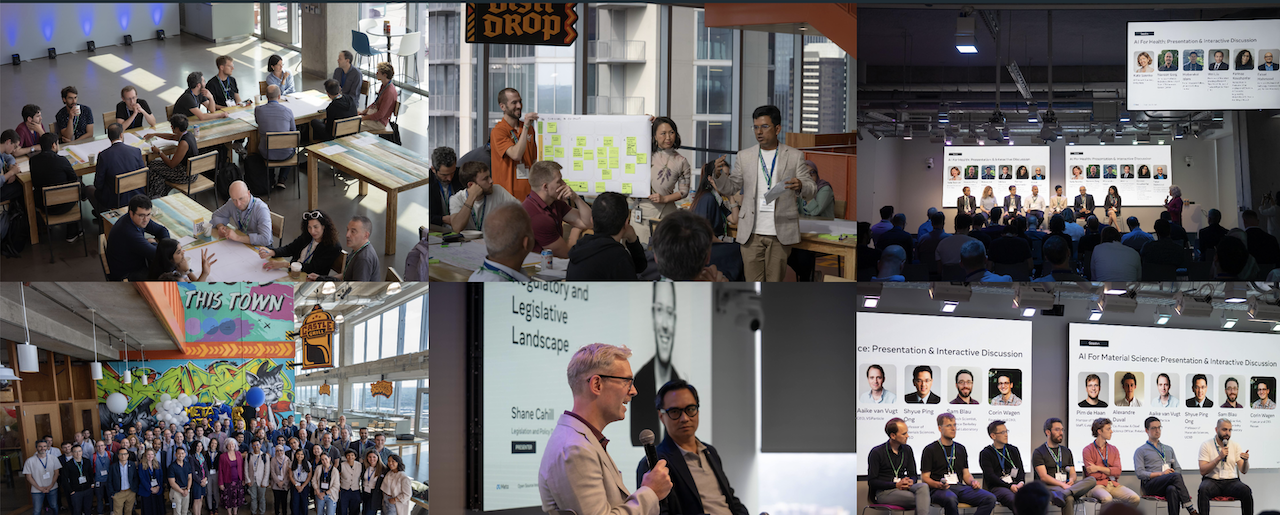
The Wearables Community Summit is currently underway at Meta headquarters, running from December 1 through December 3. This invite-only gathering has brought together a select group of developers, innovators, and strategists to define the technical trajectory of advanced technologies in the wearable space.
As part of the programming, L+R Co-founder Alex Levin participated in a panel discussion titled "Empowering the Wearable Developer Ecosystem." The session addressed the critical infrastructure required to support the next generation of spatial applications.
The Wearables Device Access Toolkit
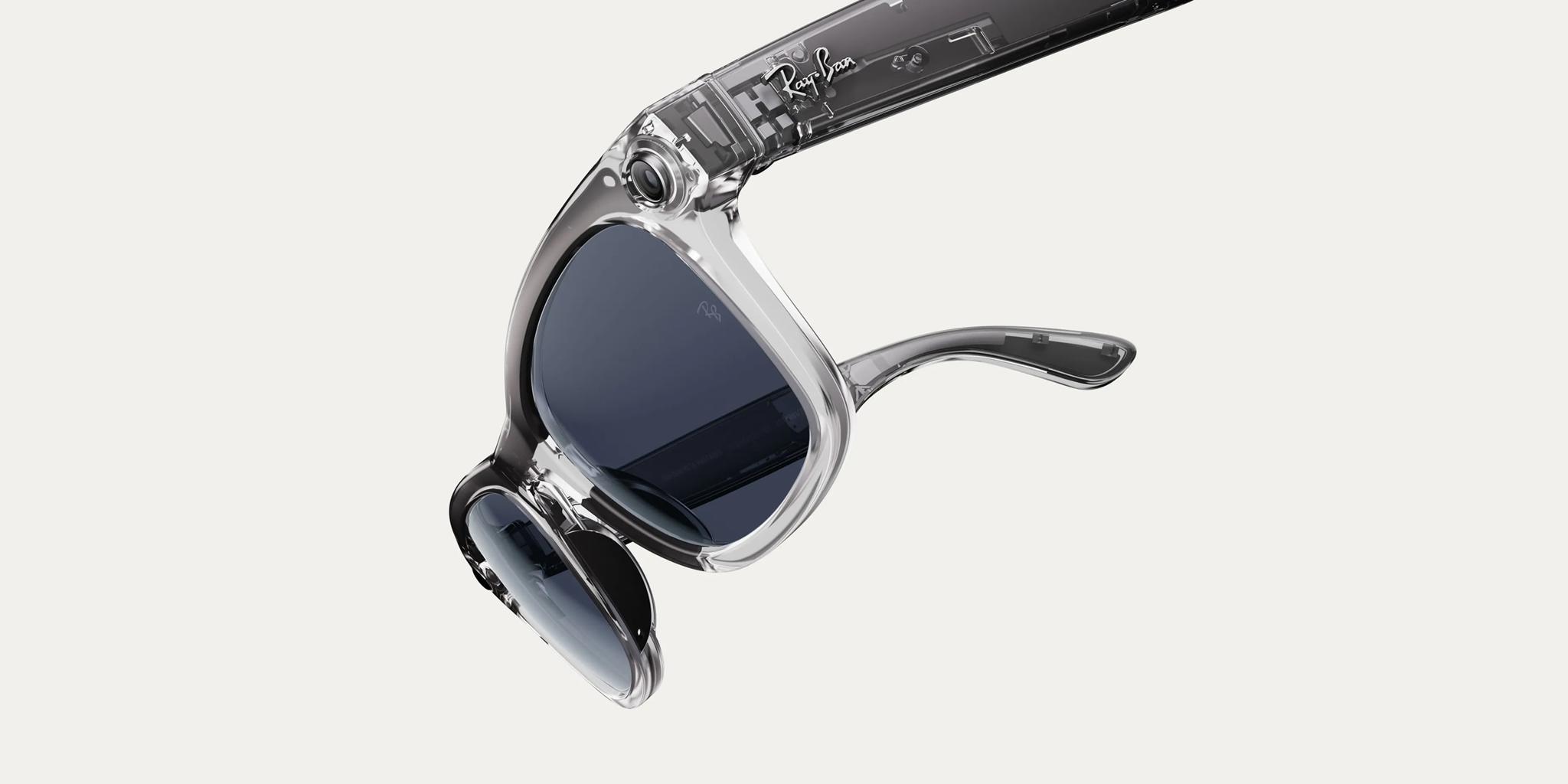
The discussion centered on the introduction of the Wearables Device Access Toolkit SDK. This SDK enables mobile applications to connect directly to the glasses, allowing developers to deploy capabilities that leverage the device’s powerful hardware. Moderated by Chris Barbour, Meta’s Director of Wearables Content, the panel provided a technical deep dive into the L+R teams work in supporting the toolkit’s features and integration strategies.
L+R’s spatial computing and digital product teams engaged with the platform tools prior to the summit. This early access allowed our developers to prototype functional use cases and evaluate the toolkit's capabilities across specific industries. During the session, Alex shared insights on the build process, the necessary resource allocation, and the practicalities of establishing a robust development pipeline for this hardware.
Accessibility and AI Integration
A core component of the conversation was the intersection of design, technology and accessibility. Joining Alex on stage were:
• Chris Barbour, Director of Wearables Content, Meta
• John Barnett, Founder of Supermoon AI
• Saqib Shaikh, Founder and Lead of Microsoft Seeing AI
The group discussed how AI-integrated wearables can deliver tangible, everyday value. Saqib Shaikh highlighted the potential for these devices to bridge gaps in access between the physical and digital worlds.
Designing for the Future Context
As artificial intelligence and wearables become further integrated into daily routines, the methods by which users interact with their environments will shift. The summit provided a forum to define the technical foundations required to facilitate this transition. For L+R, contributing to this dialogue aligns with our objective to improve life through design and technology.